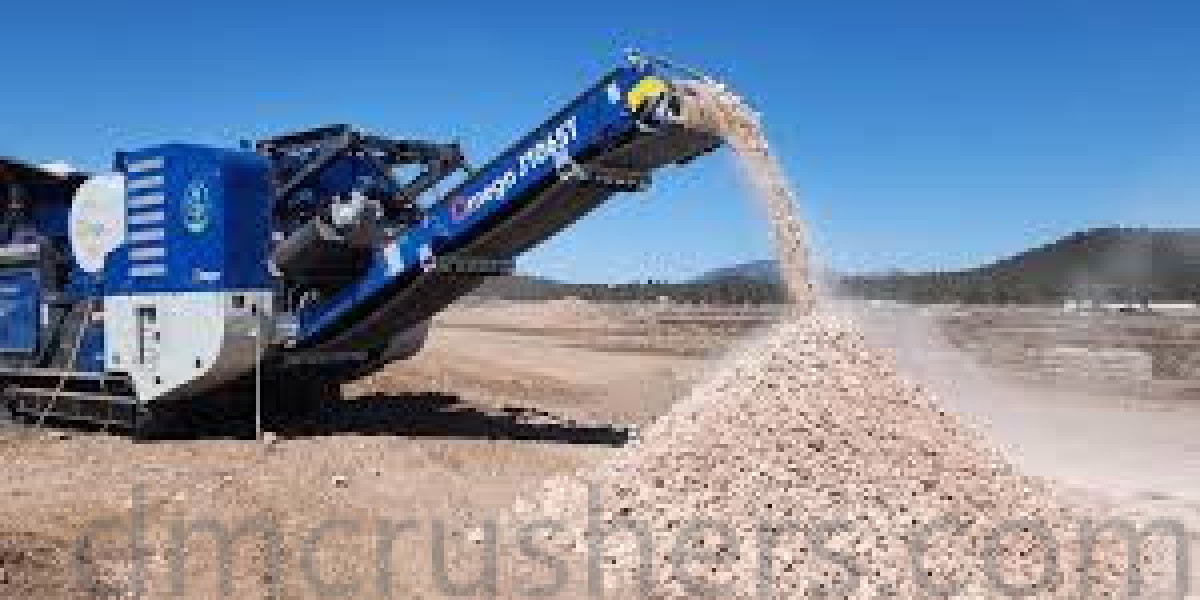

In quarrying, mining, construction, infrastructure, and recycling applications, a Mobile Crusher can support material reduction where production requirements or working locations change over time. Unlike fixed processing arrangements that are permanently established at one site, mobile equipment can be incorporated into different operating layouts according to material flow, project development, and available working space. This flexibility makes equipment selection an engineering decision that should consider more than basic crushing capacity. Material characteristics, feeding conditions, mechanical structure, maintenance access, safety, and downstream processing all influence the practical performance of a mobile crushing system.
The material being processed is one of the first factors to evaluate. Natural stone, recycled concrete, asphalt mixtures, and mineral materials can have significantly different hardness, abrasiveness, moisture levels, and particle structures. These properties affect how crushing forces are transferred through the chamber and how quickly wear components may require attention. A suitable machine should therefore be selected according to the characteristics of the feed material rather than relying only on general application categories. Understanding material behavior also helps operators establish a more stable feeding process and reduce unnecessary mechanical stress.
Mechanical design plays an important role in reliable operation. A modern chassis must provide sufficient structural stability while allowing the equipment to move through the intended working environment. The crushing mechanism, feeder, discharge arrangement, and supporting components need to operate as an integrated system. Efficient energy transfer is particularly important because avoidable mechanical losses can increase operating costs and place additional loads on components. Robust construction, appropriate wear protection, and practical access to service points can contribute to longer operating cycles and more predictable maintenance requirements.
Feeding consistency is another important consideration. Irregular material flow can create unstable loads inside the crushing chamber, while oversized or poorly prepared feed may increase the risk of blockages and component wear. A properly coordinated feeding arrangement helps maintain a steady material stream and supports more consistent product quality. In applications involving recycled materials, preliminary sorting and removal of unwanted contaminants can also protect mechanical components and improve process continuity.
Mobility provides operational flexibility, but movement between locations should be treated as part of the overall equipment management plan. Site access, ground conditions, transportation routes, working clearances, and positioning requirements should be evaluated before relocation. Once equipment reaches a new work area, proper stabilization and inspection are necessary before production begins. These practices help reduce avoidable risks while allowing operators to take advantage of flexible deployment.
Maintenance planning should combine routine inspection with condition-based observation. Wear parts, bearings, belts, hydraulic components, fasteners, lubrication points, and structural connections all require appropriate attention. Small changes in vibration, noise, material discharge, or power demand can sometimes indicate developing mechanical issues. Detecting these changes early can reduce unplanned downtime and prevent minor component problems from developing into larger repairs. Maintenance records are also useful for identifying recurring wear patterns and improving future service planning.
Safety should remain integrated into equipment design and daily operation. Guards, emergency stopping systems, access platforms, warning systems, and clearly defined maintenance procedures all contribute to safer working conditions. Operators should understand the hazards associated with moving components, stored energy, material blockage, and maintenance activities. Lockout and isolation procedures are especially important when personnel need to enter areas where mechanical movement could occur.
Environmental management is increasingly relevant to material processing projects. Dust control, noise management, material containment, and efficient resource use can help reduce the environmental impact of operations. Recycling applications may also recover useful aggregates from construction materials that would otherwise require disposal. By combining appropriate equipment selection with controlled material flow and responsible site management, processing operations can improve resource utilization without relying on unnecessary material handling.
As project conditions evolve, a well-designed Mobile Crusher system can provide a practical combination of processing flexibility, mechanical integration, and operational adaptability. The most suitable configuration depends on material characteristics, site requirements, maintenance strategy, safety planning, and the relationship between primary reduction and downstream processes. For equipment information and further product options, visit https://www.dmcrushers.com/product/stationary-crusher/ as part of the equipment selection process.